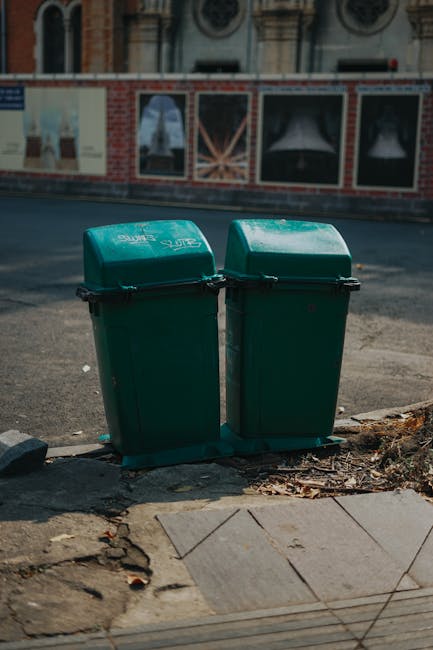
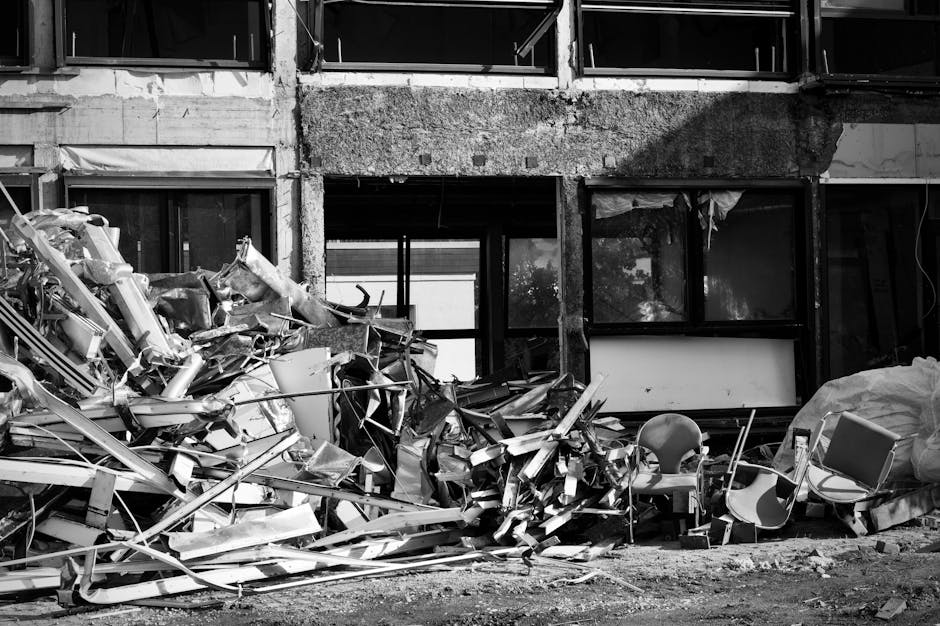
Litter clearance in London
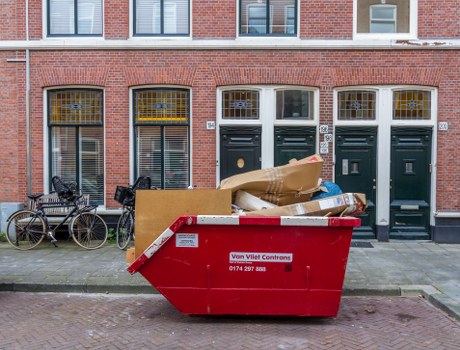
We provide litter clearance in London for public-facing and private spaces where waste, windblown debris and fly-tipped items need to be gathered, sorted and removed with care. Our service is built around practical clearance work rather than a one-size-fits-all tidy-up, so we can focus on the items that are actually on site, the surface they are sitting on and the safest way to lift them away.
Typical work can include scattered packaging, loose rubbish, bags, sweepings, light bulky items and mixed debris collected from outdoor areas, access routes, courtyards, forecourts and similar spaces. We also handle related clearance tasks where the job is broader than simple litter picking, such as removing accumulated waste from rubbish clearance situations or dealing with leftover material after a tenant move, refurbishment or event. The aim is always to leave the area more usable and easier to manage.
When you contact us, it helps to describe the type of litter or waste, the size of the area and any access limitations. Clear details make it easier to plan the right approach, especially where items are heavy, awkward or mixed with recyclable material. If you already know that the job involves repeated build-up, recent dumping or a one-off clean-out, say so in plain terms and we can shape the work accordingly. Request a quotation when you are ready.
How our London litter clearance service works
Our work starts with understanding what has to be removed and how it is distributed across the site. Some jobs are light and surface-level, while others involve waste gathered in corners, behind units, near bins or along boundary lines. We plan the clearance around the likely handling method, whether that means bagging loose litter, lifting bundled waste, or separating recyclable material from general rubbish where that can be done sensibly and safely.
Because litter clearance can mean many different things in practice, we keep the approach flexible. A forecourt with paper, cups and food packaging calls for a different method from a service yard with broken household items and commercial waste. If the area includes a mix of small and bulky objects, our team can combine bulky waste collection with more detailed surface clearance so that the visible mess and the underlying waste are dealt with together. This is often the most efficient way to restore order without turning the job into several separate visits.
What we can remove
- Loose litter and windblown debris
- Bags, sacks and general rubbish
- Cardboard, packaging and mixed waste
- Light bulky items left in outdoor or shared spaces
- Waste gathered after events, tenancy changes or works
Clearance for estates, yards and shared spaces
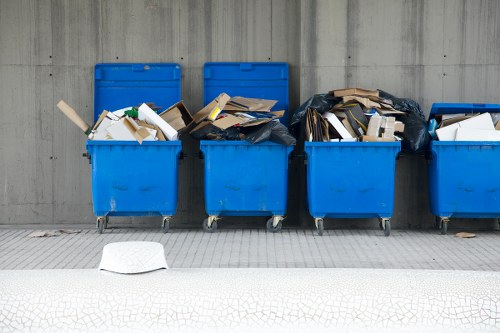
Litter build-up often appears in places that are shared by several users and therefore need a tidy, methodical response. Estates, service yards, rear access lanes and small commercial courts can all suffer from the same issue: material collects at the edges first, then spreads into walkways and loading points. In those settings, the right service is not simply to sweep the centre and leave the rest. It is to identify the full extent of the debris and remove it from the whole usable space.
We can support jobs where litter sits alongside other unwanted material, including discarded household items, packaging from deliveries, broken furniture or old fixtures. Where suitable, that may involve linking the clearance with furniture clearance so that the larger objects do not block access while the smaller waste is being gathered. This keeps the work practical and helps avoid the false economy of moving the litter around rather than removing it properly.
If your site has bins, storage points, service entrances or communal corners that tend to attract waste, a clear description of those areas is useful when asking for a quote. You do not need to produce a perfect inventory, but a straightforward note on where the waste is concentrated can make the quotation more accurate. Tell us what needs clearing and where it is, and we can respond with a suitable plan.
Commercial and trade-related litter removal
Commercial properties need litter clearance that respects footfall, opening hours and the practical layout of the premises. Shops, offices, cafés, workshops and managed buildings all produce different kinds of waste, and the visible litter is often only part of the issue. A good clearance service considers doorways, loading access, storage space and whether items are loose, bagged or mixed with other refuse. That way, the removal is efficient without creating extra disruption.
We can also align litter clearance with broader waste handling where the material is not confined to surface debris. If you have mixed waste from a business unit or service area, our commercial waste collection page covers a related service that suits premises with regular disposal needs. For one-off clearances after a build, refit or move, a different page such as builders waste clearance may be useful where heavier offcuts and residue are present alongside the litter.
For businesses, the main point is often restoring a professional appearance quickly and sensibly. That means clearing what is visible, dealing with the material that has drifted into less obvious places, and avoiding unnecessary handling of items that do not belong in the same load. If you are unsure whether your job is best described as litter, rubbish or general waste, use ordinary language when you enquire. We can help you define the work from there.
Choosing the right clearance for the type of waste
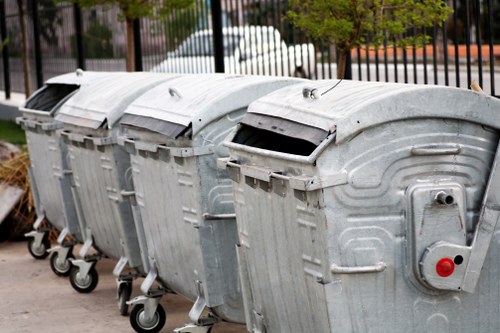
Not every job that looks like litter is best treated as a simple sweep and bag collection. Some sites contain only light debris, while others include a mixture of waste that has been left for longer, broken down by weather or spread by foot traffic. The right service depends on the form of the material, the amount that has accumulated and whether there are items that need careful lifting rather than quick gathering.
For example, a flat entrance affected by small discarded items may only need targeted surface work, whereas a storage room, basement or loft area can involve more mixed content. In those cases, a related service such as flat clearance or loft clearance may be a better fit if the litter is part of a larger clear-out. This is why it helps to describe the whole space rather than only the most obvious part of the mess.
Useful ways to describe the job
You can keep your enquiry simple and still be accurate. Mention whether the waste is mainly loose litter, bagged rubbish, bulky items or mixed debris. If there are obstacles, limited parking or narrow access points, include that too. A short note about the setting is often enough for us to understand whether the work is a straightforward litter removal or a broader clearance that needs more handling time.
Local sites, public spaces and one-off clearances
Litter clearance is often requested for places that need to be ready for use by residents, visitors or staff. That can include entrances, shared walkways, bins areas, small external yards, private forecourts and similar spaces where rubbish has accumulated over time. In some cases the work is preventative as much as remedial: removing waste before it spreads further and becomes harder to manage. The practical result is a cleaner space and a clearer route through it.
Where the waste includes a heavier or more awkward item, it may be sensible to pair litter removal with a related service such as large item collection. If the issue is mainly clutter from a home, garage or stored belongings, pages such as home clearance or garage clearance may be more relevant. The advantage of matching the service to the material is that the job is handled properly the first time, rather than being split into an unhelpful sequence of partial removals.
Take a moment to list the main objects involved, and note whether anything is broken, wet, contaminated or particularly heavy. That sort of detail helps shape a safer and more realistic quotation. It also avoids confusion between litter, household waste and specialist disposal.
Pricing factors and quotation details
Quotation for litter clearance usually depends on the amount of material, the ease of access and the nature of the waste itself. A small area with light, baggable litter is a very different job from a longer stretch of ground littered with mixed debris, larger objects or material that needs separating before removal. Time spent on lifting, sorting and loading matters, as does any constraint that affects access to the site or vehicle positioning.
If your project involves other waste streams or items that need separate handling, we can often frame the work around the most suitable related page. For example, domestic items such as mattresses or white goods may be better discussed under mattress removal and collection or white goods recycle, while a general waste enquiry may point towards waste removal. Keeping the scope clear helps the quotation reflect the actual task rather than a guess.
To help us quote accurately, it is useful to mention whether the waste is spread over a small concentrated area or across several locations on the same site. You can also say whether there are fixed opening times, security arrangements or loading restrictions. Plain details are enough; you do not need polished wording, just a clear description of what has to go and how it can be reached. That is usually the fastest route to a suitable price.
About London
London is a large and historically layered capital city shaped by the River Thames, the growth of Roman Londinium and centuries of expansion that turned a compact riverside settlement into a vast metropolitan region. Its core remains closely associated with the City of London, while the wider urban area spreads through inner and outer districts with very different characters. The river still gives the city a strong east-west geography, with bridges, embankments and waterfront paths linking districts that grew at different times and for different purposes. Many of the best-known landmarks sit within a relatively small central area: the Palace of Westminster, Westminster Abbey, the Tower of London, St Paul’s Cathedral and the South Bank all help define how the city is read by visitors and residents alike. The capital is also rich in parks and open spaces, from Hyde Park and Regent’s Park to smaller commons, squares and gardens that punctuate the built environment. Railway termini, Underground lines and bus corridors knit together neighbourhoods that range from dense commercial centres to more residential terraces and estates. London’s architecture reflects this variety, with medieval fragments, Georgian squares, Victorian warehouses, interwar estates and contemporary towers often appearing within the same broad district. Cultural life is similarly diverse: West End theatres, museums, galleries, markets, faith buildings, music venues and sports grounds create a city that is active at many different scales. Borough boundaries, civic histories and local identities matter here, because the capital is not one uniform place but a collection of areas with their own streets, landmarks and rhythms. The result is a city that keeps changing while still preserving clear traces of its long development.
Households, landlords and probate-related work
Domestic litter clearance can arise after tenants move out, rooms are emptied or outdoor spaces have been left untidy for some time. In those cases, the waste may be mixed with ordinary household objects rather than confined to one kind of material. A sensible clearance approach takes account of what is soft, what is rigid, what can be bagged and what needs lifting as a larger piece. That distinction matters because it affects how the work is done and how long it takes.
Where the task is connected to an empty property or an estate matter, a related page such as probate clearance or property clearance may be useful if the work goes beyond litter and into a fuller removal. If the issue is mainly a front garden, shared passage or rear yard, the most relevant route may still be a more focused litter clearance. We can discuss the balance once you outline the site and the kind of debris involved.
For landlords, agents and family members dealing with a cleared or part-cleared property, the practical aim is often to get the space back into a manageable condition without overcomplicating the job. A brief description of room count, outside access and the obvious categories of waste is usually enough to start. Use plain wording and send the essentials; it is better than trying to force the issue into a category that does not quite fit.
Recycling, disposal and waste separation

Not every clearance should be treated as a single mixed load if the material can be separated sensibly. Some items may be suitable for recycling, while others are best treated as general waste or disposal-only material. Where the job allows, careful sorting can support a more responsible clearance and prevent reusable material from being bundled together unnecessarily. This is especially useful when the waste includes cardboard, plastics, metal pieces or other straightforward recyclables.
For customers who are thinking beyond the immediate mess, related pages such as recycling and waste and waste disposal cover complementary parts of the service family. If the rubbish has built up because materials were placed in the wrong spot or because a site has limited bins, the issue may involve both removal and better handling of what remains. In those cases, a proper clearance is about removing the mess while also understanding the type of waste involved.
When you are ready to move forward, the most helpful next step is simply to ask for a quotation with a short description of the litter, the site layout and any access issues. We can take it from there. If you already know that the task includes larger objects or mixed waste as well as litter, mention that in your first message so the scope can be matched more closely to the right service.
Book a quotation for litter clearance in London
If you need litter clearance in London for a home, block, business premises or shared outdoor space, we can help with a practical and well-scoped removal service. Our work is centred on understanding the material, clearing it without unnecessary fuss and making sure the method suits the site. That means a better fit for jobs that are simple, mixed or slightly more involved.
For an accurate quotation, include a short description of the waste, the area where it sits and any points that might affect access or handling. You can also mention whether the work is a one-off clearance, part of an empty-property job or linked to larger waste items. If you are unsure which service page is most relevant, just describe the situation and we will guide the enquiry from there. Request a quotation today.
When the task is clear, the next step is straightforward. Use the service details that best match the site, note anything that affects loading or removal, and send your enquiry for a prompt response. We are ready when you are.